
Checking an ID is not the same as verifying a person
A card can be genuine and still be in the wrong hands. Here is the difference between reading a document and knowing who is standing in front of you, and why that gap is where most trouble starts.

Every day, a business somewhere hands over something it cannot easily get back. A room for the weekend. A car for a week. A parcel worth more than the delivery fee. A set of keys to a flat. In each case, the same quiet question sits underneath the transaction: am I giving this to the right person?
Most people answer it by glancing at an ID. It feels like due diligence. It looks official. And for a great many everyday risks, it is simply not enough, because an identity document only proves that the document exists. It says nothing about the person holding it.
What a document actually tells you
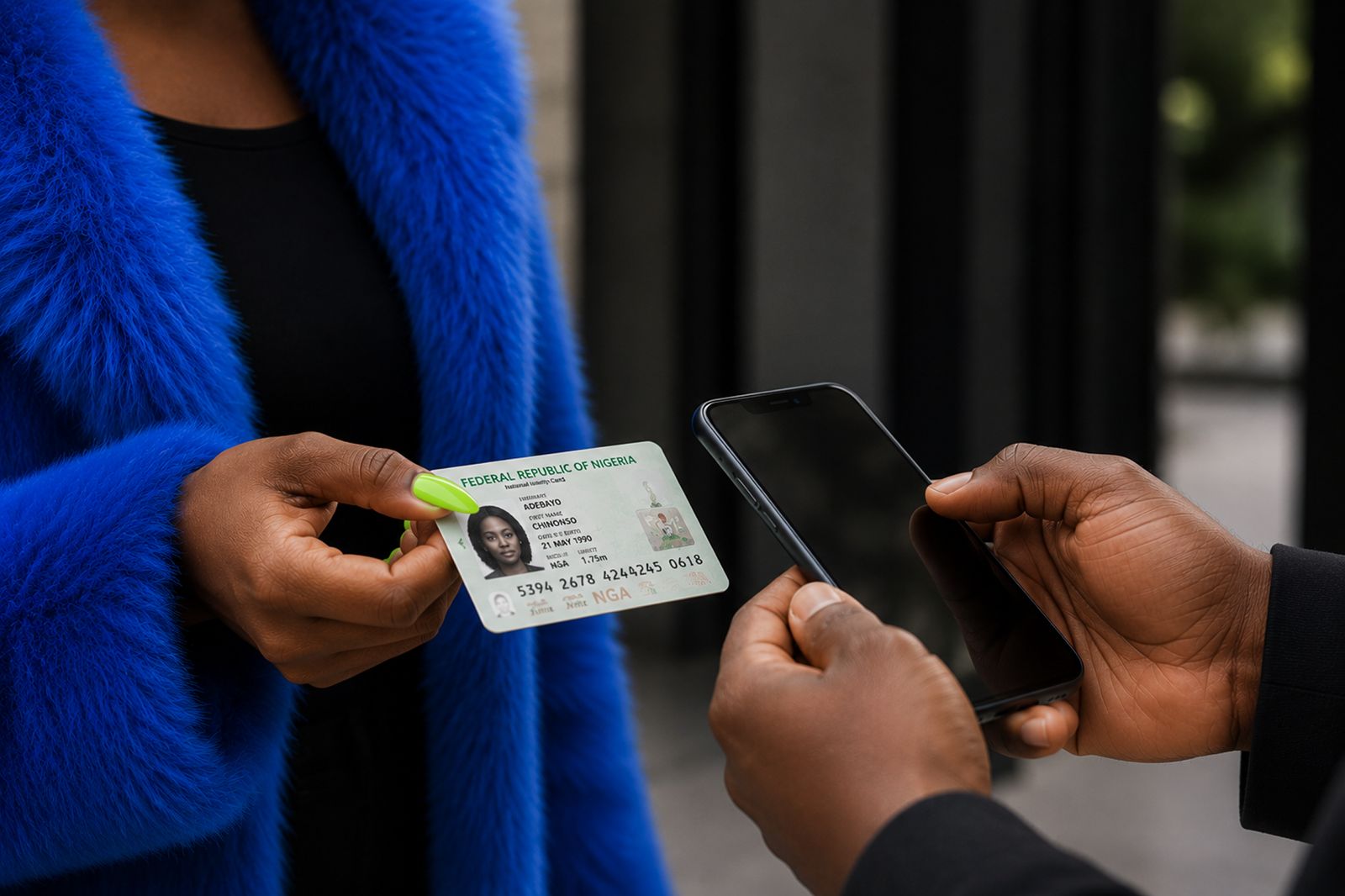
An ID card is a claim. It claims that a named person, with a particular face and a particular number, was issued this credential at some point in the past. When you read the card, you are trusting three things at once: that the card is real, that the details on it are true, and that the person in front of you is the person it describes.
Glancing at it confirms none of those. A convincing card can be borrowed, bought, edited or printed. Even a completely genuine card tells you nothing about whether it belongs to the person now holding it out to you.
An ID proves a document exists. Verification proves a person is who they claim to be. Those are not the same thing.
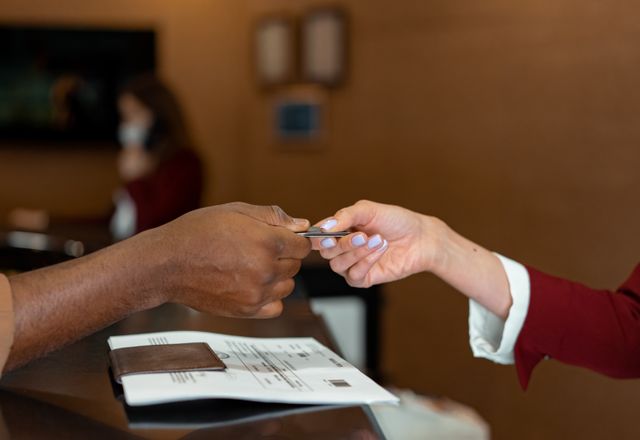
The gap where trouble lives
The distance between “this card looks fine” and “this is genuinely who they say they are” is small in most transactions and enormous in a few. The problem is that you usually cannot tell in advance which is which. That is exactly the situation verification is built for.
Verifying a person closes three gaps that a visual check leaves wide open:
- Is the identity real? The details are matched against official government records, not just read off the front of a card.
- Is the person present? A quick liveness check confirms a real, live human, not a photo, a screenshot or a video held up to the camera.
- Do they match? Their face is compared to the identity on record, so the person and the credential line up.
In shortReading a card checks one thing. Verifying a person checks three: that the identity is real, that they are present, and that the two belong together.
A glance versus a verification
It helps to lay the two approaches side by side. The same person, the same card, two very different levels of certainty.
What you check | A quick glance | A full verification |
|---|---|---|
The card is genuine | Assumed by eye | Matched to official records |
The details are true | Taken on trust | Confirmed at source |
The person is present | Not tested | Confirmed with a liveness check |
Face matches the ID | Rough guess | Compared to the identity on record |
Result you can keep | None | A clear, recorded outcome |
What this looks like in practice
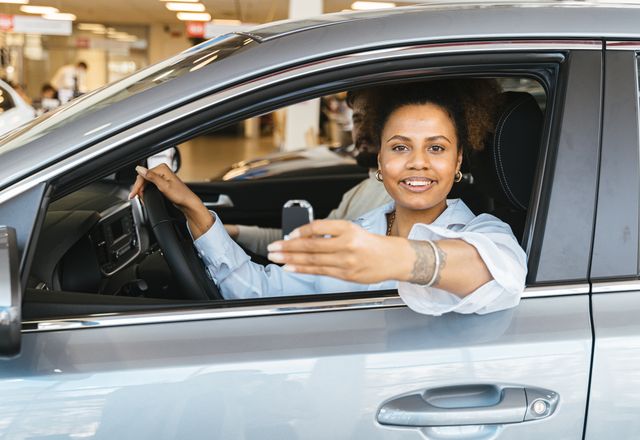
You do not need a security desk or a compliance team to do this well. A host confirming a weekend guest, a landlord screening a prospective tenant, a rental business handing over a vehicle, all face the same core task and can settle it in under a minute.
Three steps, in order
- Send the person a secure
verification linkto complete themselves. There is nothing for you to type in. - They take a short selfie so we can confirm a real, present person and match their face to the record.
- You get a clear result: a confident yes, a firm no, or a flag worth a closer look.

What a result looks like
Behind the simple yes or no, a verification returns a structured result you can act on and store. A response might look like this:
{
  "reference": "chk_9f2a71",
  "status": "verified",
  "checks": {
    "government_record": "match",
    "liveness": "pass",
    "face_match": "pass"
  },
  "trust_band": "high",
  "consent": "captured"
}
A note on consent
Every check is run with the person’s agreement, and that agreement is captured as part of the result. Verifying someone and respecting their privacy are not in tension. Done properly, they are the same act.
The takeaway
Checking an ID is a habit. Verifying a person is a decision. The next time you are about to hand over something you would hate to lose, it is worth asking which one you are actually doing, and whether the difference is one you can afford to skip.
Filed under